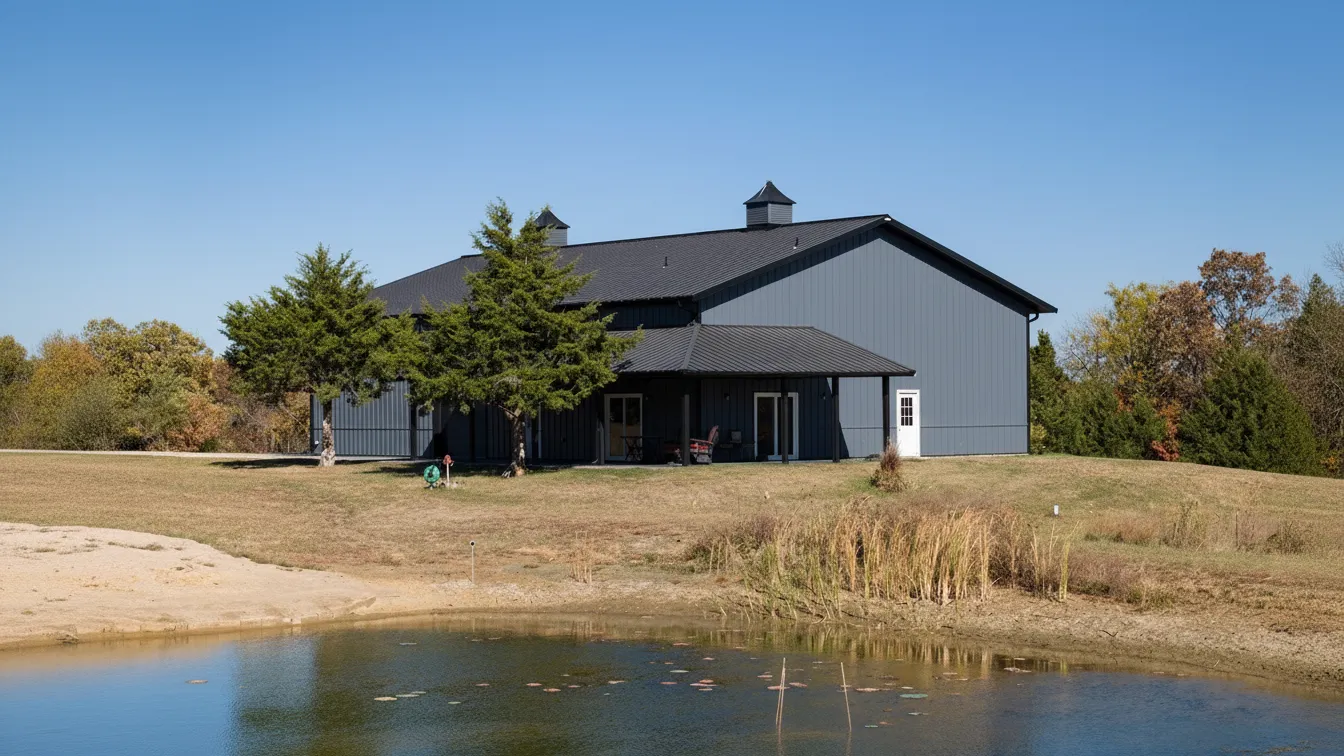

When it comes to constructing buildings, the choice of materials is crucial. Each material offers unique benefits and drawbacks, impacting the project’s cost, durability, aesthetic appeal, and environmental footprint. In this article, we’ll explore various building materials, focusing primarily on the advantages and disadvantages of each. We will also delve into why many Canadians are turning towards steel as a preferred choice, particularly for those interested in steel buildings in Ontario.
Concrete: The Sturdy Classic
Concrete has long been the go-to choice for many construction projects. Advantages of concrete include its excellent durability and versatility. It can be molded into virtually any shape, making it ideal for a wide range of architectural designs. Concrete offers outstanding resistance to fire and weather conditions, contributing significantly to the longevity of a structure.
However, there are some downsides. Concrete tends to be quite heavy, which can increase the load on the foundation significantly. It also comes with higher carbon emissions during production, which is a growing concern in today’s environmentally conscious world. Furthermore, concrete can crack over time, necessitating repairs.
Wood: The Timeless Aesthetic
Wood is cherished for its natural beauty and warmth. As a building material, wood is highly renewable and insulating, providing excellent energy efficiency. It is also relatively easy to work with, which can reduce construction time and cost.
On the flip side, wood is highly susceptible to environmental damage such as rot, pests, and fire. To mitigate these risks, wood must be treated with chemicals, which may reduce its Eco-friendliness. Additionally, while wood is renewable, deforestation remains a global concern.
Brick: The Engineered Reliability
Brick has been used in construction for centuries and is prized for its durability and classic look. It offers excellent resistance to fire and does not succumb to pests. Brick buildings often require little maintenance over the years, which can be a significant advantage.
However, brick construction is labour-intensive and time-consuming. It can also be costly, and the heavy weight of bricks may necessitate a more robust structural design, which can increase overall project costs. Moreover, while bricks themselves are highly sustainable, obtaining them can result in quarrying and land degradation.
Steel: The Modern Marvel
In recent years, steel has emerged as a popular choice for many building projects. It offers a perfect blend of strength and versatility. Steel is recyclable, and its production has become significantly more energy-efficient. Buildings made from steel provide exceptional durability against natural elements and require minimal maintenance.
The use of steel offers tremendous design flexibility, allowing for large open spaces without the need for support columns that can clutter interior layouts. This is especially beneficial for industrial and commercial buildings, where space utility is paramount.
Despite these advantages, steel may have some disadvantages, like susceptibility to corrosion if not properly treated or maintained. This is particularly important in environments with high humidity or salt exposure. Well-designed and coated steel structures can effectively manage these issues.
For individuals and businesses interested in cost-effective and customizable options, considering a 30×40 steel building kit might be an ideal alternative. These kits provide a ready-to-assemble solution that streamlines the building process, offering both time and cost savings.
Glass: The Modern Aesthetic Choice
Glass is often used to add a modern touch to buildings, offering magnificent aesthetic appeal and allowing natural light to flood interior spaces. The benefits of glass include its non-reactivity and ability to provide thermal insulation when treated with special coatings.
However, glass is also fragile and can be expensive to replace. Additionally, maintaining large glass surfaces requires regular cleaning and can sometimes contribute to higher energy costs if not using energy-efficient glass. The brittleness of glass and potential for breakage during natural disasters is another concern that should be mitigated through the use of tempered or laminated glass in construction.
Choosing the Right Material for Your Project
When determining which material to use for a building project, it’s essential to weigh each option’s pros and cons thoroughly. Consider the environment, the purpose of the building, and budget constraints. Steel, for its myriad benefits, is becoming increasingly popular, particularly in regions like Ontario, where the weather can be unpredictable. These steel buildings in Ontario stand up well to harsh weather conditions like snow and wind, making them ideal for both residential and commercial purposes.
Ultimately, the choice of material will depend on various factors including, but not limited to, aesthetic preferences, environmental considerations, and functional requirements. Evaluate what’s most important for your project, and consult with experts to ensure that your choice aligns well with your long-term vision.
Conclusion
Building materials each have their distinct advantages and drawbacks. While concrete, wood, brick, glass, and steel offer different benefits, steel continues to gain favor for its unmatched durability, flexibility, and sustainability. Whether you are considering a 30×40 steel building kit or a custom large-scale endeavor, the right material can make all the difference in the success and longevity of your project.
As the building industry evolves with new technologies and practices, understanding the intricacies of each material option enables informed decision-making, ensuring your project not only meets current needs but also withstands the test of time.