

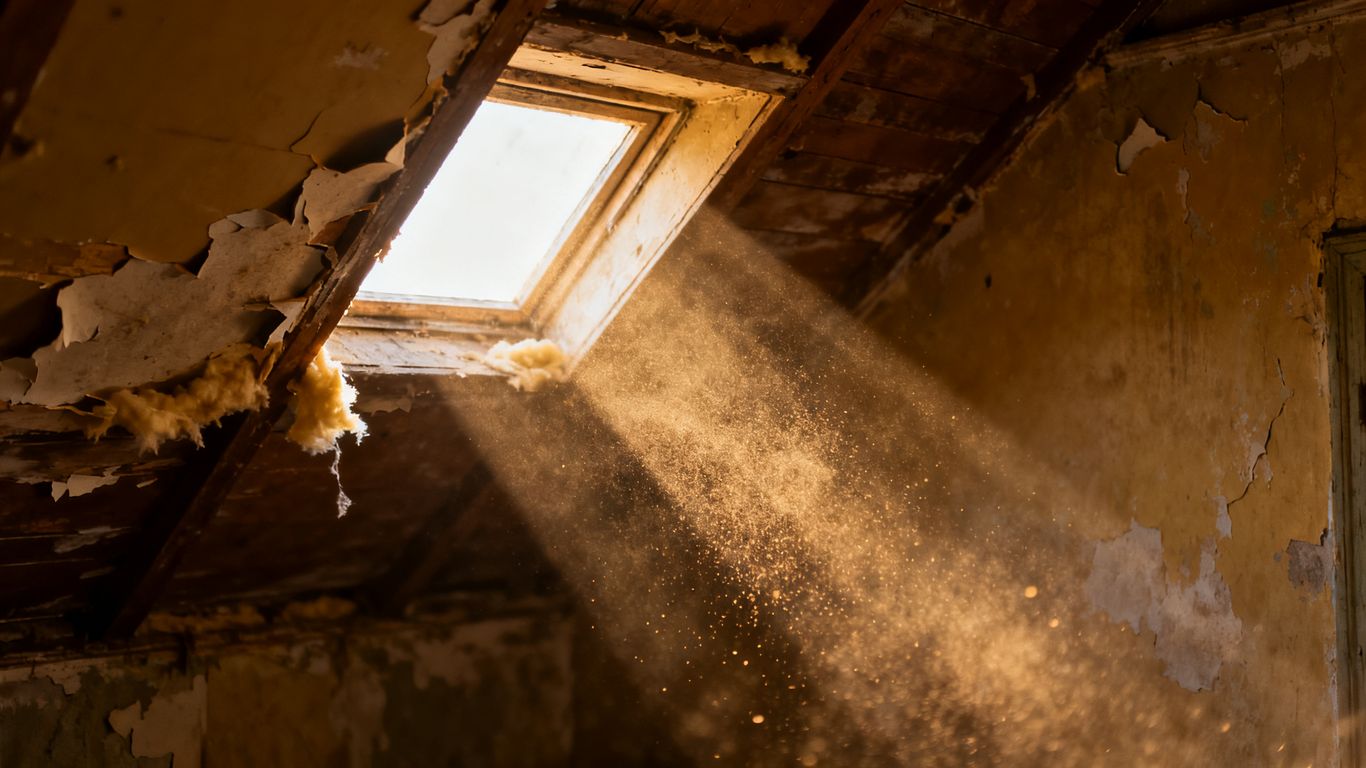
Many older buildings, particularly those constructed before the 1980s, contain asbestos in various building materials. These materials were widely used for their insulating and fire-resistant properties. When these materials are disturbed, such as during renovations or due to natural deterioration, asbestos fibers can become airborne and pose a significant health risk.
Drywall Joint Compounds And Spackling Products
Drywall joint compounds, often referred to as “mud,” and spackling products were frequently manufactured with asbestos fibers. These materials were added to improve durability and workability, making them easier to apply and sand. You might find these asbestos-containing compounds in the seams between drywall panels, around pipe penetrations, and in finishing coats applied to walls and ceilings. Disturbing these materials through sanding, drilling, or removal can release hazardous fibers into the air.
Ceiling Tiles And Popcorn Ceilings
Ceiling tiles and the textured “popcorn” finishes common in homes built between the 1930s and 1980s are another significant source of asbestos exposure. Asbestos fibers were mixed into these materials to provide fire resistance and acoustic properties. When these ceiling materials are damaged, scraped, or removed, the microscopic asbestos fibers can become airborne. This is particularly concerning during renovations or if the ceiling material begins to crumble.
Textured Paints And Coatings
Textured paints and coatings, often applied to walls and ceilings to create decorative finishes, also frequently contained asbestos. These materials were used to add depth and visual interest to surfaces. Like other asbestos-containing materials, the risk arises when these textured surfaces are disturbed. Renovation activities such as sanding, scraping, or demolition can release asbestos fibers from these coatings, creating an inhalation hazard. It is important to have these materials tested before any work begins, especially if the building dates back to the mid-20th century. Understanding the potential presence of asbestos in these common areas is the first step toward protecting occupants from exposure. For more information on where asbestos might be found, you can refer to common asbestos locations.
Understanding Asbestos Exposure Risks In Older Homes
Many older homes, particularly those built before the 1980s, contain asbestos in various building materials. While these materials are generally safe when left undisturbed, renovation or repair work can release hazardous asbestos fibers into the air. Understanding where these materials are located and the risks associated with disturbing them is key to protecting your health.
Pipe Insulation and Wrapping Dangers
Materials used for insulating pipes, especially those carrying hot water or steam, often contained asbestos. You might find this insulation around boiler pipes, heating systems, and hot water lines, typically in basements or crawl spaces. Over time, this insulation can degrade, crack, or become damaged, leading to the release of asbestos fibers. When these fibers become airborne, they pose a serious risk to respiratory health if inhaled. Identifying asbestos pipe wrapping can be tricky, as it often appears as cylindrical, white, gray, or tan material. If the insulation looks crumbly or friable, it suggests the presence of asbestos. It is strongly advised not to disturb such materials yourself. Instead, consult a licensed asbestos professional for safe sampling and analysis. Exposure to these fibers can lead to severe respiratory conditions, including asbestosis and lung cancer. For more information on the health effects, you can refer to details on asbestos health risks.
Attic Insulation Hazards
Asbestos can also be present in older attic insulation, particularly in vermiculite, spray-applied products, and blanket-type insulation manufactured before the 1980s. Disturbing this insulation during renovations or maintenance can release microscopic fibers into the air. Once inhaled, these fibers can lodge in the lungs, causing inflammation and potentially leading to serious diseases like mesothelioma, lung cancer, and asbestosis. Symptoms of these conditions may not appear for decades after exposure. To determine if your attic insulation contains asbestos, professional laboratory testing is necessary. It is imperative to hire licensed abatement contractors for safe removal, as attempting to remove it yourself can significantly increase exposure risks.
Fireplace Insulation and Hearth Materials
Fireplaces and hearths in older homes may also contain asbestos. Materials used for insulation around fireboxes, in hearth padding, or even in some types of decorative fireplace logs could have asbestos fibers. These materials were often used for their heat resistance. When these components are damaged, repaired, or replaced, asbestos fibers can be released into the surrounding air. This is particularly a concern if you are undertaking a fireplace renovation or cleaning out an old, seldom-used fireplace. As with other asbestos-containing materials, disturbance is the primary cause of exposure. If you suspect asbestos in your fireplace materials, it is best to have them inspected by a professional. They can conduct tests and advise on safe handling or removal procedures. The danger arises from disturbing materials, which releases fibers into the air, and if asbestos-containing materials are intact and undisturbed, they generally pose no health risk. However, if they are damaged or crumbling, professional assessment and removal are recommended to prevent exposure, as detailed in guidance on asbestos risks.
Identifying Asbestos In Building Materials
Many older homes, particularly those constructed before the 1980s, contain asbestos in various building materials. Identifying these materials can be tricky because asbestos was often mixed in to add strength and fire resistance. It’s important to remember that undisturbed asbestos-containing materials generally pose little risk, but renovation or repair work can easily disturb them, releasing dangerous fibers.
Roof Flashing and Gutters
Materials used for roof flashing and gutters in homes built before the 1980s might contain asbestos. This was due to asbestos’s durability and resistance to weather. You might find it in:
- Cement-based flashing around roof penetrations.
- Older asbestos-cement gutters and downspouts.
- Sealants and caulking applied near flashing joints.
- Underlayment products placed beneath shingles or tiles.
If you notice any damage or deterioration in these areas, it’s best to avoid disturbing them. For confirmation, professional testing is the most reliable method. You can find more information on identifying asbestos in your home.
Siding and Exterior Cladding Materials
Asbestos was a common additive in siding and exterior cladding for many homes built before the 1980s. Products like cement shingles, asbestos boards, and fiber cement siding were popular because they were durable and fire-resistant. When inspecting your home’s exterior, look for siding that is cracked, crumbling, or looks generally worn out. If you suspect asbestos is present, do not attempt to remove or repair it yourself. Documenting the condition and location is a good first step before consulting with a certified professional for testing.
Window Glazing and Caulking
Materials around your windows can also be a source of asbestos. Window glazing, the putty used to seal glass panes, often contained asbestos fibers for added heat resistance and strength. Similarly, caulking compounds used around window frames sometimes incorporated asbestos to improve flexibility and fire resistance. The risk arises when these materials are disturbed, such as during sanding or scraping old putty when replacing windows. If you’re dealing with pre-1980s windows, it’s wise to have them inspected. Trying to remove old glazing or caulk without proper knowledge can release harmful fibers into the air. For accurate identification and safe handling, professional assessment is recommended.
HVAC Systems And Asbestos Concerns
Heating, ventilation, and air conditioning (HVAC) systems in older buildings can be a hidden source of asbestos exposure. Many components within these systems, especially those manufactured before the 1980s, were made with asbestos-containing materials due to their heat resistance and insulating properties. When these materials degrade or are disturbed, asbestos fibers can become airborne and circulate throughout the building via the HVAC system, posing a significant risk to occupants’ health.
Ductwork And HVAC Components
The ductwork itself, along with various other parts of the HVAC system, may contain asbestos. This can include:
- Duct linings: The interior surfaces of ducts were often lined with asbestos materials to improve insulation and reduce noise.
- Joint compounds and sealants: Materials used to connect sections of ductwork or seal joints could also contain asbestos.
- Insulation wraps: Pipes carrying refrigerants or hot water within the HVAC system were frequently wrapped with asbestos insulation.
Disturbing these materials during maintenance or renovation can release asbestos fibers into the air. If you suspect asbestos in your ductwork, it is vital to have it inspected by a professional. They can identify suspect materials and recommend appropriate actions, such as encapsulation or removal, to mitigate the risk. For more information on asbestos risks, you can refer to resources on asbestos exposure risks.
Furnace And Boiler Insulation Blankets
Furnaces and boilers, the heart of many heating systems, often utilized asbestos for insulation. This was particularly true for older models where high temperatures required robust thermal protection. Asbestos insulation blankets were commonly used around the exterior of these units, as well as within internal components, to prevent heat loss and protect surrounding structures. Over time, these blankets can deteriorate, becoming brittle and releasing asbestos fibers. If you have an older furnace or boiler, especially one that has not been serviced or inspected for asbestos, it’s wise to consider a professional assessment. Ignoring potential asbestos in these critical systems can lead to serious health problems if fibers become airborne and are inhaled.
Health Consequences Of Asbestos Exposure
When asbestos fibers become airborne and are inhaled, they can lead to a range of serious health problems. These microscopic particles lodge themselves deep within the lungs and other tissues, causing inflammation and damage that can take years, even decades, to manifest. The latency period for asbestos-related diseases is notoriously long, often between 20 to 50 years after initial exposure. This means individuals might not experience symptoms until much later in life, making diagnosis and treatment a complex process.
Respiratory Diseases From Inhaled Fibers
The primary danger of asbestos exposure lies in its impact on the respiratory system. Once inhaled, the sharp, durable fibers can embed themselves in the lung tissue. Over time, this can lead to several debilitating conditions:
- Asbestosis: This is a chronic lung disease characterized by scarring of lung tissue. It makes breathing increasingly difficult and can lead to shortness of breath, a persistent dry cough, and chest tightness.
- Lung Cancer: Exposure to asbestos significantly increases the risk of developing lung cancer, even in individuals who have never smoked. The risk is compounded for smokers who have also been exposed to asbestos.
- Mesothelioma: This is a rare and aggressive cancer that affects the lining of the lungs (pleura), abdomen (peritoneum), or heart (pericardium). It is almost exclusively caused by asbestos exposure and has a very poor prognosis.
Long-Term Health Impacts Of Exposure
Beyond the immediate respiratory effects, asbestos exposure carries significant long-term health implications. The persistent irritation and inflammation caused by asbestos fibers can lead to chronic conditions that diminish quality of life. These materials, once common in building supplies, can continue to pose a risk if disturbed during renovations or due to building degradation. Understanding the potential for long-term health impacts is vital for anyone living or working in older structures.
Symptoms Of Asbestos-Related Illnesses
Recognizing the symptoms of asbestos-related diseases is critical for early detection. However, due to the long latency period, these signs may not appear for many years after exposure. Common symptoms include:
- Persistent coughing or wheezing
- Shortness of breath, especially during physical activity
- Chest pain or tightness
- Unexplained weight loss
- Fatigue or weakness
- Hoarseness
If you suspect past exposure or are concerned about materials in your home, consulting with a medical professional is advisable. For those dealing with potential asbestos hazards in their homes, seeking advice on asbestos testing is a prudent step.
Professional Asbestos Testing And Remediation
When dealing with potential asbestos in older buildings, it’s important to know that you shouldn’t try to handle it yourself. Disturbing materials that contain asbestos can release dangerous fibers into the air, which can cause serious health problems. This is why professional help is so important.
Importance Of Professional Laboratory Testing
Before any work begins, getting a professional assessment is the first step. Certified professionals will take samples of suspected materials, like insulation or drywall compounds. These samples are then sent to accredited laboratories for testing. This testing confirms whether asbestos is actually present and what type it is. This laboratory analysis is the only way to be certain about the presence of asbestos. Without this confirmation, you might unnecessarily disturb materials or, worse, fail to address a real hazard. For reliable testing, consider services that specialize in asbestos inspection.
Safe Removal Protocols For Contaminated Materials
If testing confirms asbestos, professional abatement contractors follow strict protocols to ensure safety. These protocols are designed to prevent the release of asbestos fibers into the environment. Key steps include:
- Containment: The work area is sealed off to prevent fibers from spreading to other parts of the building.
- Personal Protective Equipment (PPE): Workers wear specialized respirators and protective clothing.
- Wet Methods: Materials are often kept wet during removal to minimize dust and fiber release.
- Proper Disposal: All asbestos-containing waste is bagged, sealed, and transported to licensed disposal facilities.
Following these procedures is vital for protecting both the workers and the building occupants. It’s not just about getting rid of the material; it’s about doing so without creating a new health risk.
When To Hire Licensed Abatement Contractors
You should hire licensed abatement contractors whenever you suspect asbestos is present and plans involve disturbing it. This includes renovation, demolition, or even some repair projects. If you’re planning any work on a building constructed before 1980, it’s wise to get a professional inspection first. Trying to save money by doing it yourself can lead to much higher costs down the line due to health issues and potential legal penalties. Companies like Madison Asbestos are equipped to handle these situations safely and in compliance with regulations. Remember, undisturbed asbestos generally poses little risk, but any activity that could break it apart requires professional intervention.