

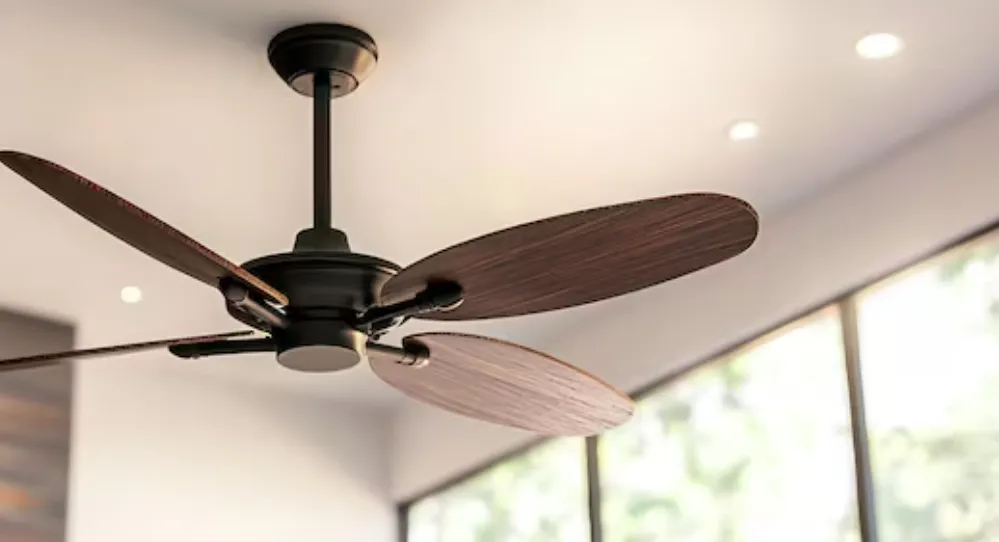
Achieving a perfectly balanced interior requires careful attention to the interplay between light and structure. While lighting is often the primary focus for setting the mood of a room, the ceiling fan is frequently overlooked as a significant design component.
When these two elements are chosen to work in harmony, they create a cohesive, functional, and aesthetically pleasing environment. The key to successful integration lies in understanding how scale, finish, and light distribution influence the overall atmosphere.
By selecting fixtures that share common design themes, you can transform your overhead space into a well-coordinated feature that enhances both the comfort and the visual appeal of your home.
Achieving Visual Cohesion Through Unified Finishes
The foundation of a well-designed room is consistency in finish. When selecting your cooling and lighting fixtures, look for shared metal tones—such as brushed nickel, oil-rubbed bronze, or matte black—to tie the elements together.
If your lighting hardware features a specific finish, finding a fan that echoes that same tone creates a sense of intentionality and professional design.
For rooms where you want the hardware to feel subtle, opting for low profile ceiling fans that match the ceiling color creates a minimalist backdrop, allowing your feature lighting fixtures to become the clear focal point of the room without any distracting visual competition.
Balancing Scale and Proportion in Overhead Design
Proportion is critical when multiple fixtures occupy the same overhead plane. A massive fan positioned next to a delicate pendant light can cause visual chaos, while a fan that is too small may look lost against a large chandelier.
For rooms with limited vertical space, it is vital to select fixtures that maintain the scale of the room. By using low profile ceiling fans, you ensure that the cooling fixture does not overpower the space, allowing you to use decorative lighting to add depth and personality without making the ceiling feel cluttered or overcrowded. This balance is essential for maintaining a sense of openness.
Leveraging Integrated Lighting for Versatility
Modern design often favors the efficiency of multifunctional fixtures. Many cooling units now come with integrated LED kits that provide high-quality illumination, effectively acting as both a light source and an air circulator.
This integration is particularly useful in smaller spaces where multiple ceiling fixtures might create too much visual noise.
By choosing high-performance low profile ceiling fans with dimmable light kits, you gain the ability to adjust the mood of a room from functional task lighting to soft, ambient glow. This versatility simplifies your ceiling layout, ensuring the room remains clean and focused.
Enhancing Lighting Layers with Strategic Airflow
Effective lighting design relies on layers—ambient, task, and accent light. A ceiling fan can actually complement this layering by ensuring that the room remains comfortable, which encourages guests to stay longer and enjoy the lighting you have meticulously curated.
When your lighting fixtures are high-quality, they deserve an environment that is equally refined. By selecting a fan that operates quietly and smoothly, you prevent the distraction of noise or uneven light flickering, which can occur with inferior hardware. High-quality fixtures ensure that your layered lighting design is always presented in the best possible light.