

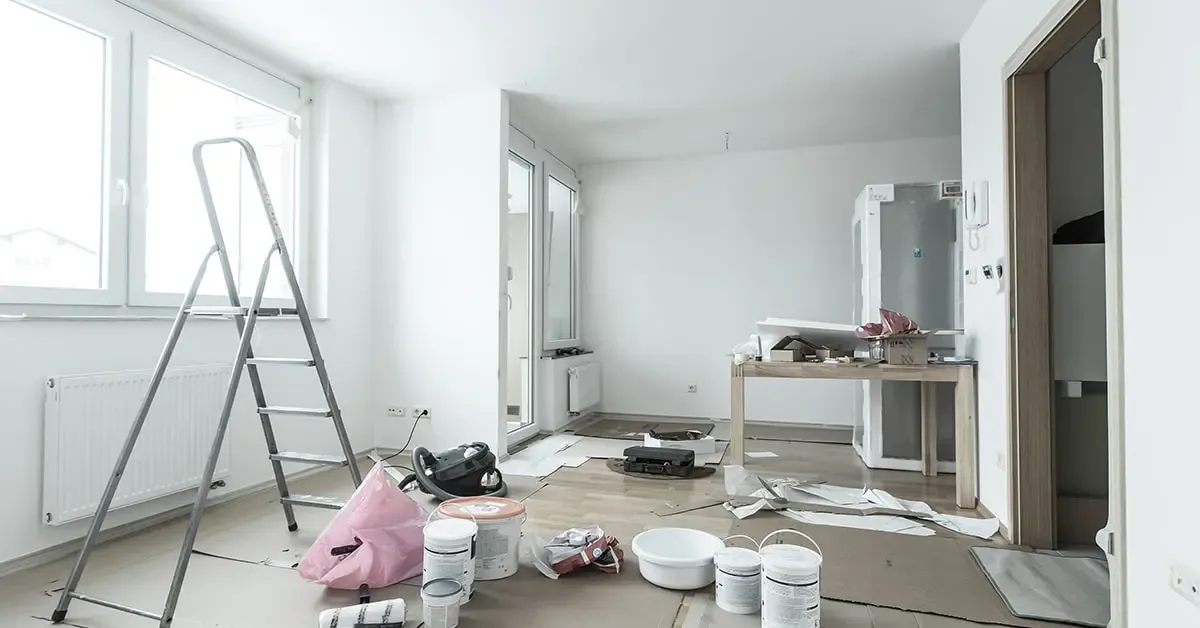
There is a point in many renovation projects when the room looks worse than it did before the work began. Cabinets are on the floor, broken tiles are stacked in a corner, cardboard boxes are everywhere, and the new materials have not even been installed yet.
That stage is normal. What causes trouble is having no plan for the waste. Debris can take over working space quickly, particularly during demolition. Deciding where it will go — and when it will leave — makes the rest of the renovation easier to manage.
Work Out What Is Coming Out First
Before demolition begins, walk through the job with the contractor or whoever is doing the work. Make a rough list of what will be removed.
A kitchen might produce cabinets, worktops, flooring, fixtures and plenty of packaging. Bathrooms can generate old tiles, fittings and damaged backing materials. Even a fairly modest project can create a larger pile than expected once everything is broken down.
You do not need an exact weight or volume. A reasonable picture of the waste is enough to start planning.
Do Not Let the Driveway Become a Dumping Ground
When there is no designated place for unwanted material, the nearest empty area usually becomes one. Quite often, that is the garage or driveway.
At first, a few pieces do not seem like a problem. A week later, contractors may be stepping around piles to reach the house, or new materials cannot be unloaded because the useful space has disappeared.
Pick a temporary collection area before work starts. It should be accessible without blocking doors, paths or vehicles that still need to move around the property.
Remove Waste Between Major Stages
There is no rule saying all renovation rubbish has to stay until the project is finished. In fact, waiting can make the site harder to work in.
Booking construction debris removal after a major demolition stage can clear room before installation begins. That can be particularly helpful when the same space is needed for tools, incoming materials or several trades working on different days.
Timing matters. Try to arrange collection when it will not clash with a large delivery or leave workers waiting for access to the driveway.
Know What Is Actually in the Pile
Renovation waste is not one single category. Timber, broken fixtures, packaging and other ordinary debris may be mixed, but some materials require different handling.
Before arranging a debris removal service, explain what has been removed rather than simply saying there is “building rubbish”. Photographs can help show the volume and the types of items involved.
Older homes need extra caution. If renovation exposes material that may be hazardous, stop treating it as ordinary debris. Appropriate professionals should identify and handle potentially hazardous materials according to applicable requirements.
Keep a Clear Route to the Waste
A removal crew cannot efficiently collect material it cannot reach.
Renovation sites change from day to day. Tools appear in hallways, protective coverings go down, deliveries arrive, and contractor vehicles take up space. The clear route that existed on Monday might be completely blocked by Friday.
Before collection day, walk from the debris pile to the likely vehicle location. Move anything unnecessary and make sure gates or access points can be opened.
For apartments or managed buildings, lift bookings and loading-area rules may need to be organized beforehand.
Get Pricing Questions Out of the Way Early
Debris removal costs can vary with the amount of material, what it contains, access conditions and the local market. That is why useful information matters when requesting a quote or estimate.
Mention unusually heavy items and provide photographs when possible. Ask how the final price is determined and whether any materials carry different requirements or charges.
Doing this before the crew arrives reduces the chance of an uncomfortable discussion halfway through the job.
Give the Site One Last Check
Once the large pile has disappeared, walk around the renovation area again.
Small pieces often remain behind: packaging beside a wall, offcuts near the garage, or broken material hidden behind something that was moved during construction. Clearing these leftovers makes final cleaning much simpler.
It also creates a clear dividing line between the messy building stage and the part everyone has been waiting for — actually using the renovated space.
Conclusion
Nobody starts a renovation because they are excited about dealing with the rubbish. Still, deciding what happens to that rubbish before the first cabinet, tile or fitting comes out can save a surprising amount of disruption.
Give debris a temporary place, clear it at sensible stages and keep collection routes open. When outside help is needed, junkzip.com provides information about arranging removal services, so waste can leave the project instead of becoming part of it.