

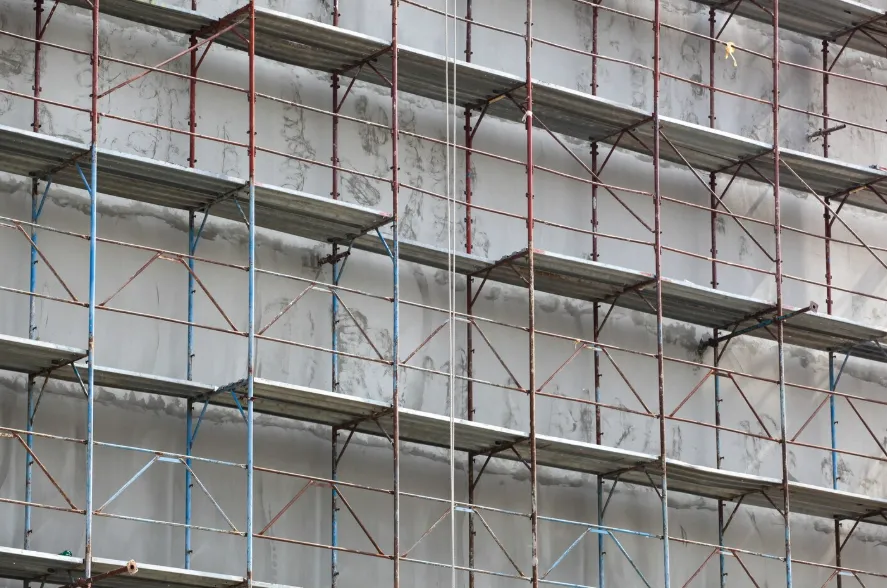
Mobile scaffolding is practical on construction sites because it can be moved along with work. However, that’s not designed to account for every conceivable ground condition. Leave a mobile scaffold on the ground without any preparation if the ground is not flat, and its stability could be compromised.
Then anyone who uses mobile scaffolding in Melbourne should consider the hazards of uneven surfaces. If the ground beneath is not flat, a slight slope, soft patch, or small undulation can result in disproportionate loading of the scaffold.
An Issue of Uneven Terrain
A stable base dictates the mobile scaffold. Its castors, frames, and braces work in harmony to keep the edifice upright.
A scaffold may not be level when the ground is uneven. Not evenly loading the frame can create.
It gets even more complicated when you burl workers, tools, & materials into the mix. Additional weight, in turn, leads to increased forces acting on the structure.
Consequences of the Scaffold Not Being Level
A scaffold that’s not even could be different from a scaffold placed on an acceptable surface.
Potential problems include:
-
Reduced stability
-
Increased risk of movement
-
Uneven loading on the frame
-
Inability to lock or position castors correctly
-
It is more likely to tip over while moving
-
Challenges in maintaining a level working platform
Even if at first the scaffold seems solid, things can quickly change as people walk across it.
Never Use Makeshift Supports
One of the most prevalent errors is attempting to level a mobile scaffold with rubble, wood scraps, or other materials.
These improvised supports might move when in use. They can also interfere with how the scaffold’s base and castors are engineered to operate.
The right way is to strictly adhere to the manufacturer’s guidelines, along with the relevant workplace environmental safety protocols. The base of the scaffold should not just be cobbled together if the ground cannot provide a good enough foundation.
Inspect the Ground Before Setting Up
The scaffold should be properly checked before being put in position.
Look for:
-
Sloping surfaces
-
Soft or unstable soil
-
Holes and cracks
-
Loose gravel
-
Wet areas
-
Obstructions around the base
It is possible that outdoor sites require additional post-rain precautions. Ground that appears to be stable can become soft or unstable.
What About Moving a Scaffold?
Mobile scaffolds must be in the design for changing positions, and later happen only under conditions which are allowed by equipment manufacturers plus relevant safety-related procedures.
Workers should not move a scaffold when people or unsecured materials are on the platform.
A person must ensure the adequacy of equipment for the work site and how it is assembled, inspected, and moved by workers before using scaffolding hire in Melbourne.
Selecting Appropriate Equipment for the Place
Not every of the mobile scaffold is the right for all jobs. You have to decide the size, top of the platform, load capacity, and basis conditions.
If mobile scaffolding in Melbourne is to be set up, let the vendor understand what the site conditions are. This can help guarantee that the equipment is correct for the work being done.
Therefore, it is wise to consult with professionals when the location is sloping, soft, or access is limited.
Safety Starts at Ground Level
A mobile scaffold can only be as stable as the base on which it is sitting. Since it may face an unbalanced stand with its legs bearing down in some areas that are not glaringly apparent therefore creating a risk on its own.
For scaffolding hire in Melbourne, consider the ground conditions during planning. Appropriate use of devices; examine gear before use, and do not use any improvised aids.
A level, steady setup is not a trifling matter. It is the basis of working on the scaffold safely.