

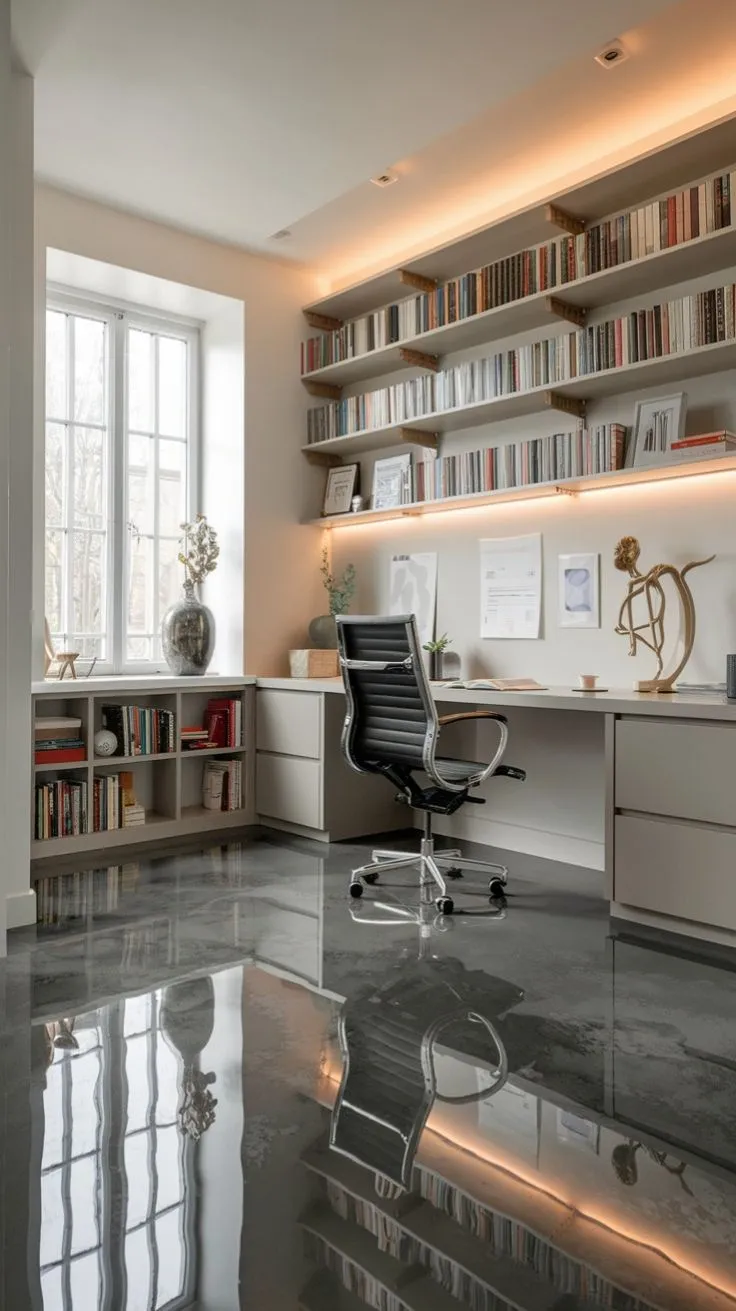
A creative studio needs to accommodate activities that can change throughout the day. One morning, the room may host a photography session; later, it might become a workshop, exhibition area, or space for filming content. Furniture moves, equipment gets rearranged, and the floor remains part of every activity. For studio owners considering epoxy floors, durability is only one factor worth examining. Lighting, cleaning requirements, equipment movement, and the atmosphere of the room also influence which finish makes sense. Understanding these needs before renovation can help create a space that supports creativity without becoming difficult to maintain.
Begin With the Activities Planned
A photography studio has different requirements from a pottery workshop. Photographers may prioritize neutral backgrounds and controllable reflections, while artists working with clay or paints need surfaces that tolerate frequent cleaning.
Think about the activities taking place each week rather than designing for occasional events. A multipurpose studio benefits from flooring that accommodates its most demanding tasks while remaining appropriate for quieter sessions.
Understand the Impact of Lighting
Floor finishes affect how light behaves inside a room. High-gloss surfaces can produce reflections that appear in photographs or interfere with certain lighting arrangements. Matte finishes may create a calmer, more understated appearance.
Before choosing a coating, consider the direction of natural light and the position of overhead fixtures. Viewing samples under actual studio lighting can reveal differences that are difficult to judge from online photographs.
Compare Decorative Flooring Systems
Different coating systems create different visual effects. Solid-color finishes offer consistency, decorative flakes introduce texture, and metallic pigments produce flowing patterns that can become part of an artistic interior.
A professional epoxy floor coating can provide a relatively continuous surface over appropriately prepared concrete. However, coating thickness, protective layers, and surface texture should be chosen according to the room’s activities rather than appearance alone.
Plan for Moving Equipment
Creative spaces frequently contain movable lighting stands, display furniture, rolling carts, and production equipment. Repeated movement can place additional demands on flooring, particularly where heavy objects have narrow wheels.
Consider using suitable protective pads and equipment wheels designed for hard surfaces. Avoid dragging metal stands across decorative finishes. These precautions may help reduce unnecessary scratching without restricting how the room is arranged.
Make Cleaning Part of Planning
Some creative activities involve spilled materials, tracked-in dirt, or frequent changes between sessions. A surface that is difficult to clean can delay preparation for the next booking.
Studio managers should review practical requirements such as:
-
The types of materials used during sessions.
-
How frequently equipment is moved.
-
Whether cleaning chemicals contact the floor.
-
Expected foot traffic during events.
-
The amount of texture needed for traction.
Different coatings have different chemical resistance characteristics. Compatibility should be confirmed before exposing a finished surface to paints, solvents, or specialized cleaning products.
Consider Comfort During Long Sessions
A hard floor can be practical for moving equipment, but standing on it for extended periods may become uncomfortable. Artists, instructors, and production teams often spend hours working in one location.
Removable anti-fatigue mats can provide additional comfort around workstations. They should be positioned carefully to avoid tripping hazards. Furniture arrangements and suitable footwear can also contribute to a more comfortable working environment.
Assess Concrete Before Renovation
Many studios occupy converted commercial units where concrete was originally intended for another purpose. Old adhesives, cracks, previous coatings, and uneven sections can affect a new installation.
Mechanical grinding may be required to create an appropriate surface profile. Moisture conditions should also be assessed because vapor moving through the slab can interfere with certain coating systems. Proper preparation helps establish a dependable foundation.
Coordinate Work Around Studio Bookings
A flooring installation may temporarily prevent access to the room. Equipment needs to be relocated, surfaces prepared, and coating materials allowed to cure before normal activities resume.
Plan the project around existing bookings and confirm reopening requirements with the installer. Some systems require different waiting periods for foot traffic and heavy equipment, so written guidance is important.
Allow the Studio to Evolve
Creative businesses rarely operate the same way for years. A photography space might eventually accommodate classes, exhibitions, or small events.
Choosing a versatile finish can make these changes easier, although future activities involving heavy equipment or unusual chemicals may require reassessment. Flooring should complement the studio’s development rather than limit its possibilities.
Conclusion
Creative studios benefit from flooring decisions that consider lighting, equipment movement, cleaning, and flexibility. A suitable finish should support the activities taking place without creating unnecessary maintenance challenges. Studio owners should assess their concrete surfaces, compare coating characteristics, and plan installation around existing schedules. For those exploring professional flooring systems in Atlanta and nearby Georgia communities, atlantaflooring.io provides information about epoxy finishes and concrete preparation services. Thoughtful selection can help create a functional, creative environment that remains welcoming, adaptable, and practical as the business develops.