

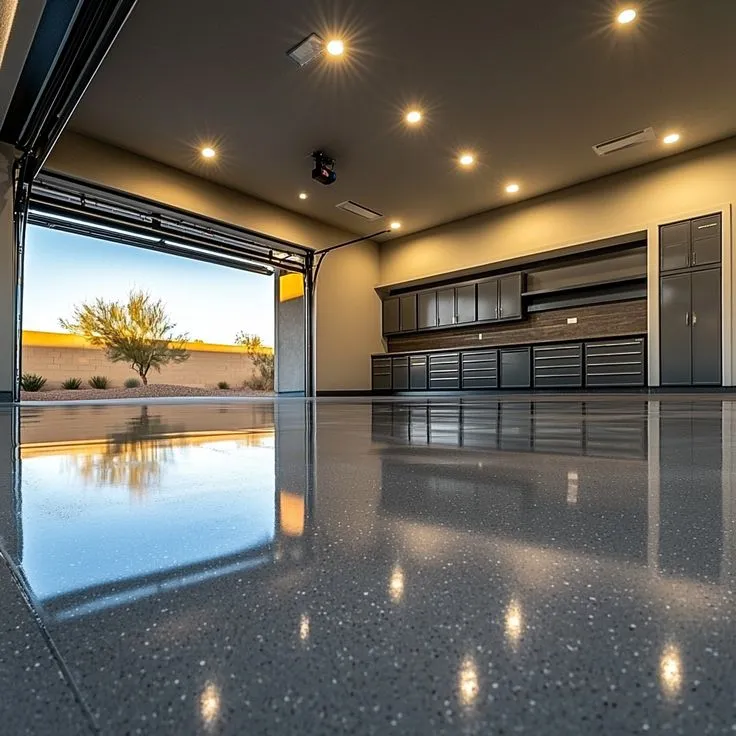
A garage often handles more daily activity than homeowners realize. Vehicles come and go, tools are stored, and household projects frequently take place on the same concrete surface. Over time, stains, cracks, and accumulated dust can make the space difficult to maintain. Choosing suitable garage flooring can change how the entire area looks and functions. Instead of treating the floor as an unfinished part of the property, homeowners can create a cleaner, more organized environment that supports everyday activities.
Understanding Everyday Garage Floor Problems
Concrete is widely used in garages because it provides a strong foundation. However, untreated concrete is porous, allowing certain liquids to penetrate and leave stubborn stains. Vehicle fluids, moisture, and everyday debris can gradually affect its appearance. Dust is another common frustration. As exposed concrete experiences regular wear, fine particles may collect on stored belongings and surrounding surfaces. Small cracks and surface damage can also become more noticeable with continued use.
These issues do not always mean the entire floor needs replacement. In many situations, preparation and a suitable protective flooring system can improve the existing surface.
Choosing Materials Based on Usage
Not every household uses its garage in the same way. Some families park multiple vehicles, while others need room for bicycles, exercise equipment, or woodworking projects. The appropriate flooring system should reflect these activities. A garage primarily used for parking benefits from a durable surface that withstands tire contact and occasional fluid spills. Workshop areas may require additional traction, particularly where tools, water, or lubricants are regularly present.
Decorative preferences matter as well. Neutral colors can complement storage cabinets and painted walls, while textured finishes may help conceal small marks between cleaning sessions. The goal is to balance practical performance with an appearance that suits the property.
Features Worth Considering Before Installation
Before selecting a flooring finish, homeowners should identify the conditions that could affect its performance. Several factors deserve attention:
-
Surface condition: Existing cracks and damaged areas may require repairs before installation.
-
Moisture exposure: Concrete moisture should be evaluated to reduce coating adhesion problems.
-
Slip resistance: Textured finishes can improve traction where water may collect.
-
Cleaning requirements: Seamless surfaces generally make routine maintenance easier.
-
Installation downtime: Different systems have different curing and return-to-service requirements.
Considering these details early helps homeowners avoid choosing a finish based entirely on its appearance.
Why Protective Coatings Make Sense
A professionally installed epoxy floor coating can create a continuous surface over properly prepared concrete. This helps reduce the number of exposed pores and makes many routine spills easier to remove. Epoxy systems also offer flexibility in appearance. Solid-color finishes create a straightforward look, while decorative flakes can introduce texture and visual variation. Some installations use specialized topcoats to achieve additional performance characteristics.
However, coating quality depends heavily on preparation. Grinding, repairing damaged sections, and evaluating moisture conditions are important steps before applying the material. A coating should not be considered a permanent solution for structural concrete problems. Significant movement or ongoing moisture issues must be addressed appropriately.
Making Better Use of Available Space
Improving the floor often encourages homeowners to reconsider how the garage is arranged. When the surface looks cleaner and more consistent, organizing other elements becomes easier. Wall-mounted shelves can keep frequently used tools accessible without occupying valuable floor space. Clearly defined storage zones can separate automotive supplies from sporting equipment and seasonal decorations.
Lighting also influences how functional the finished garage feels. Good overhead illumination makes detailed tasks easier and helps homeowners notice spills or misplaced objects. These improvements work together to make the garage more comfortable without requiring a major structural renovation.
Maintaining Results Through Simple Habits
Even durable flooring benefits from regular care. Sand, grit, and small stones carried indoors by vehicle tires can create unnecessary abrasion if left on the surface. Sweeping regularly and using manufacturer-approved cleaning products can help preserve the finish. Chemical spills should be removed promptly, and aggressive cleaning methods should be avoided unless specifically recommended.
Homeowners should also check areas near entrances and frequently used workstations for developing wear. Addressing minor concerns early can prevent larger maintenance problems later. A realistic cleaning routine is usually more valuable than occasional intensive cleaning.
Conclusion
A garage upgrade is most successful when appearance, durability, and daily requirements are considered together. Choosing appropriate materials, preparing the concrete carefully, and maintaining the finished surface can make the space more useful for years. Whether the goal is easier cleaning or a better-organized workshop, thoughtful flooring decisions provide a practical starting point. Homeowners exploring professional flooring solutions in Atlanta can review the services available through atlantaflooring.io before planning their improvements.