

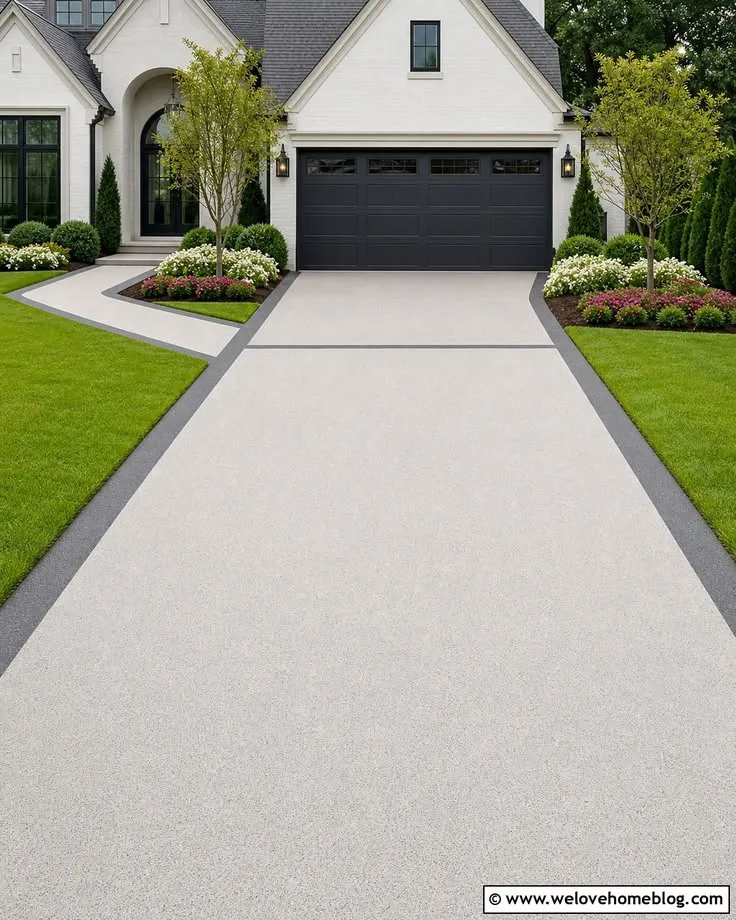
Ontario driveways endure changing conditions throughout the year. Winter road salt, melting snow, summer heat and regular vehicle movement all place demands on exposed concrete. When an older surface develops stains, scaling or worn patches, homeowners may consider a professional driveway coating to improve its appearance and protection. Yet a coating is not a repair for every problem. Assessing drainage, concrete condition and suitable products before installation helps property owners avoid covering defects that need more substantial attention.
Inspect the Concrete After Winter
Early spring is a useful time to examine a driveway because melting snow reveals damage previously hidden beneath ice. Look for chipped edges, shallow surface scaling, cracked sections and areas where old treatments have separated from the concrete. Photographing these defects helps track whether they worsen.
Some imperfections can be repaired before coating, but significant settlement or moving cracks may require a different approach. A contractor should assess whether the slab remains sound enough for the proposed finish. Surface preparation cannot make an unstable foundation structurally reliable.
Follow Water Before Choosing a Finish
Rainwater and snowmelt need a suitable route away from buildings. Low spots may retain moisture, while overflowing downspouts can send repeated flows across the driveway. Persistent standing water should be investigated before materials are ordered or the project date is agreed.
A protective coating does not correct poor drainage or reverse frost-related movement. Where water regularly reaches garage thresholds or adjoining paths, grading and drainage improvements may be necessary. Addressing these conditions first can protect the usefulness of any later surface treatment.
Compare Outdoor Coating Characteristics
Different resin products respond differently to sunlight, temperature and vehicle use. Certain epoxy materials may yellow with sustained ultraviolet exposure, while suitably formulated polyaspartic systems can offer improved colour stability. The complete specification matters more than a product’s marketing label.
Although epoxy flooring is used in many interior applications, exterior driveways need products specifically approved for that exposure. Ask for information about temperature tolerance, tyre traffic, traction and chemical compatibility. A coating appropriate for an indoor workshop may be unsuitable for an uncovered driveway.
Plan Access and Installation Details
A driveway improvement affects parking, pedestrian access and deliveries. Homeowners should establish how long the area will be unavailable and arrange an alternative parking location. It is also important to identify nearby plants, walls and drains that need protection during preparation.
Before approving a quotation, review these points:
-
Existing cracks, scaling and loose coatings
-
Drainage problems and recurring puddles
-
Grinding, repairs and dust-control arrangements
-
Colour, texture and wet-surface traction
-
Weather restrictions and vehicle return times
Ask which tasks are included in the price and how unexpected concrete defects will be handled. A written scope helps prevent misunderstandings once equipment arrives.
Understand Why Preparation Takes Time
Pressure washing removes ordinary dirt, but it does not necessarily create the surface profile required for a resin coating. Mechanical grinding may be needed to remove weak concrete, incompatible sealers or old paint. Edges and narrow sections can require separate equipment and additional labour.
Repairs should be compatible with the intended system, and substrate moisture should be evaluated where required. Rushing preparation to fit a convenient schedule can undermine adhesion. A properly prepared driveway provides a more dependable basis for the selected protective finish.
Choose a Realistic Weather Window
Outdoor coating work depends on more than a sunny forecast. Air and substrate temperatures, moisture, wind and upcoming rainfall can affect application. Contractors should follow product specifications rather than assume that any dry-looking day is suitable for the installation.
Curing also deserves attention. Light foot traffic may be permitted before vehicle parking, depending on the product. Ask for written return-to-service guidance and avoid moving cars back simply because the finish feels dry to the touch.
Maintain the Surface Through the Seasons
Sweep away grit and leaves regularly, especially around edges and drainage outlets. Promptly remove automotive spills with products approved for the coating. Aggressive solvents, metal scrapers and inappropriate pressure washing may damage certain protective finishes.
Inspect the driveway after winter for new cracks, worn turning areas and standing water. Some concerns may require drainage repairs rather than another coating layer. A simple inspection routine can help owners recognize small changes before they become extensive problems.
Conclusion
A well-planned driveway upgrade starts with the concrete, not the colour sample. Homeowners should investigate surface damage and drainage, select materials rated for outdoor conditions and respect installation and curing requirements. Proper maintenance remains important after the work is finished. Across Toronto and Southern Ontario, property owners can review exterior coating options through quickfxepoxy.ca when considering improvements designed for changing Canadian seasons.