

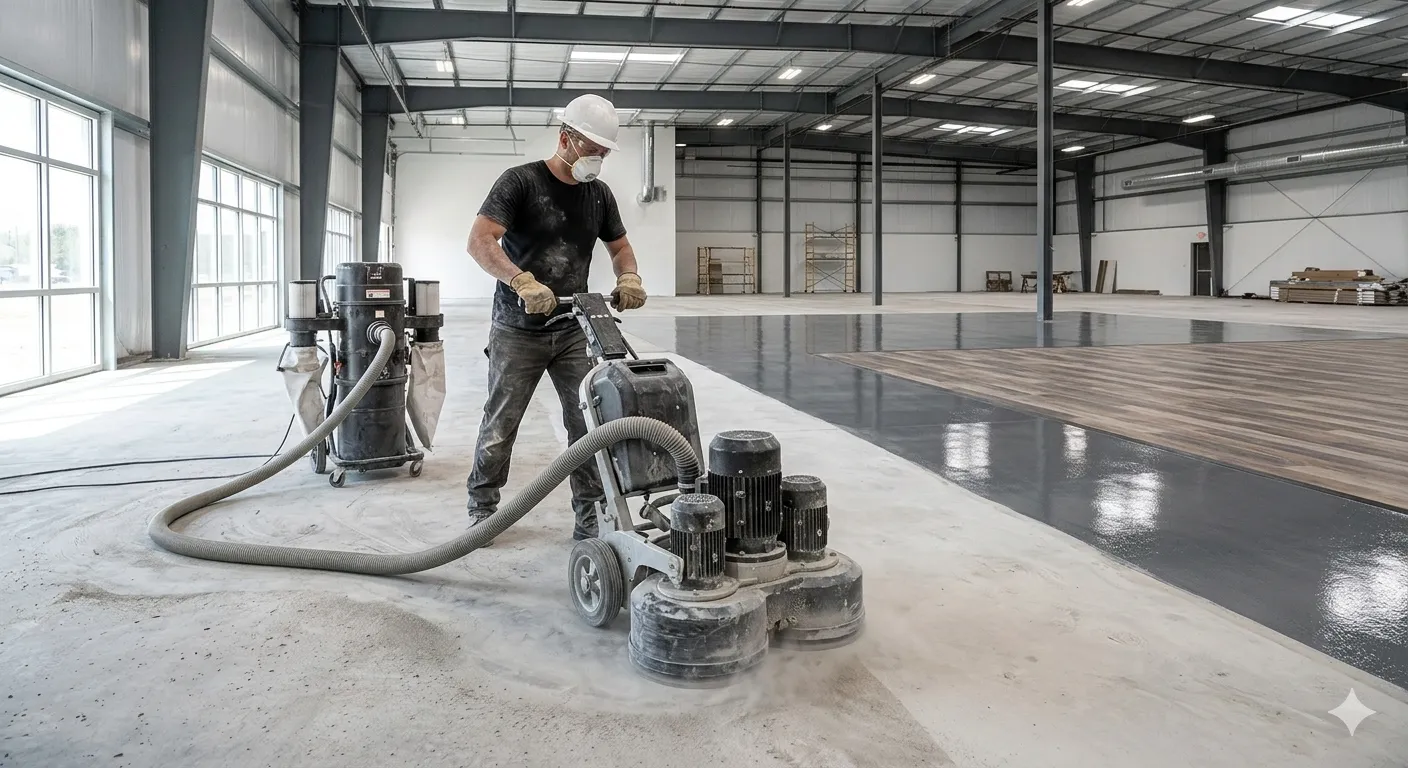
Commercial flooring renovations involve decisions that extend beyond selecting an attractive surface material. The condition of the underlying concrete influences installation quality, daily performance, and long-term maintenance requirements. Uneven substrates can create difficulties for flooring systems that require consistent support and precise tolerances. Professional concrete floor leveling services help address suitable surface irregularities before new materials are installed. For property managers and business owners, understanding substrate preparation is essential to planning renovations that support operational needs without creating avoidable flooring problems after installation.
Why Substrate Conditions Deserve Early Attention
Commercial buildings experience different flooring challenges depending on their age, construction, and previous use. Existing slabs may contain cracks, localized depressions, surface contamination, or remnants of earlier flooring systems. These conditions should be evaluated before selecting installation methods. A surface that appears reasonably smooth may still fall outside the flatness tolerances required by a particular product. Identifying such problems early allows contractors to determine whether cleaning, grinding, repairs, or leveling are necessary. This assessment establishes a more dependable foundation for subsequent renovation decisions.
Identifying Problems Before Installation Begins
A thorough floor inspection considers both visible defects and conditions that may affect future performance. Contractors may examine cracks, joint movement, surface hardness, moisture levels, and variations in elevation. Appropriate testing helps distinguish cosmetic imperfections from issues requiring structural investigation. For example, a localized depression may be suitable for corrective leveling, while ongoing settlement requires further evaluation. Moisture conditions are particularly important when installing moisture-sensitive coverings or resin systems. Recording these findings before construction helps property managers establish realistic scopes, budgets, and installation schedules.
Selecting Suitable Methods for Surface Correction
Different substrate problems require different corrective approaches. Mechanical grinding can reduce isolated high spots and remove certain surface contaminants, while compatible repair materials address cracks and damaged areas. Self-leveling underlayments can correct suitable low areas and create a flatter base for subsequent flooring installation. However, these materials are not substitutes for structural repairs or moisture remediation. Product selection depends on substrate condition, required thickness, intended floor covering, and environmental conditions. Following manufacturer requirements helps ensure that preparation materials perform as intended within the completed flooring assembly.
Connecting Preparation With Final Flooring Performance
Surface preparation should be coordinated with the intended finished flooring system. Vinyl plank, tile, hardwood, and resin-based installations have different requirements for flatness, moisture, and substrate stability. Concrete polishing introduces another consideration because the existing slab itself becomes the finished surface. Experienced concrete floor finishing companies evaluate whether a slab can achieve the desired appearance through mechanical grinding and polishing. Aligning preparation with the final material reduces the likelihood of unnecessary work, incompatible treatments, and disappointing installation results.
Considering Traffic and Operational Requirements
Commercial flooring must accommodate the activities taking place within each facility. Retail environments experience frequent pedestrian traffic, while warehouses may support forklifts, pallet movement, and concentrated equipment loads. Offices and showrooms often place greater emphasis on visual consistency and straightforward maintenance. These differences influence decisions about surface finish, repair methods, and protection requirements. A flooring system suitable for a reception area may not withstand demanding industrial conditions. Understanding operational demands before installation helps contractors recommend materials and preparation procedures appropriate for the property’s intended use.
Managing Renovations in Occupied Commercial Buildings
Flooring work can interrupt normal business operations when access, noise, dust, or curing restrictions are not properly coordinated. Property managers should identify which areas must remain operational and whether work can be completed in phases. Equipment movement, pedestrian routes, and ventilation arrangements may require temporary adjustments. Grinding and surface preparation also demand appropriate dust-control procedures. Clear scheduling allows contractors and facility teams to coordinate each stage without overlooking safety requirements. Planning around operational priorities can reduce disruption while maintaining suitable conditions for installation and finishing.
Evaluating Maintenance and Long-Term Ownership Costs
Initial installation cost represents only one part of a commercial flooring investment. Cleaning frequency, expected traffic, repair accessibility, and future maintenance requirements influence total ownership expenses. Mechanically polished concrete, for example, can offer a durable surface without the routine stripping and waxing associated with some traditional floor coverings. However, its suitability depends on slab quality and operating conditions. Other flooring systems may provide advantages where chemical resistance or specialized protection is necessary. Comparing these practical requirements helps businesses select finishes that remain manageable throughout their service life.
Conclusion
Successful commercial flooring renovations begin with a clear understanding of the existing substrate and the demands of the finished space. Appropriate inspections, corrective preparation, and coordinated installation decisions help reduce preventable performance problems. Atlanta property owners considering concrete upgrades can explore available flooring solutions through atlantaflooring.io, including leveling and polishing services. Arranging a site assessment before committing to materials can clarify the condition of the slab and the work required. This preparation supports more reliable renovation planning and flooring that meets practical business needs.