

An attic can hide trouble for months. A tiny roof leak, a wet patch of insulation or warm air trapped under cold boards may seem harmless at first. Then wood starts to darken, a musty smell creeps in, and repairs become harder to avoid. Homes in Lake Zurich and Schaumburg face these risks when water has nowhere to go. A closer look at the attic can reveal early signs and help homeowners act before moisture causes wider damage.
Quiet Damage Nobody Sees
Not every mould problem starts with a flood. Sometimes, it begins with a few drops that form on cold roof boards overnight. Look for dark marks, rusty nails, damp insulation or wood that feels wet. A stale smell can also be a clue, even when no patch is easy to spot. These signs need a proper check, not a quick guess. If the attic is hard to reach, avoid stepping between joists or onto ceiling panels. The wrong step can cause injury and costly damage.
Lake Zurich Homes Need A Closer Look
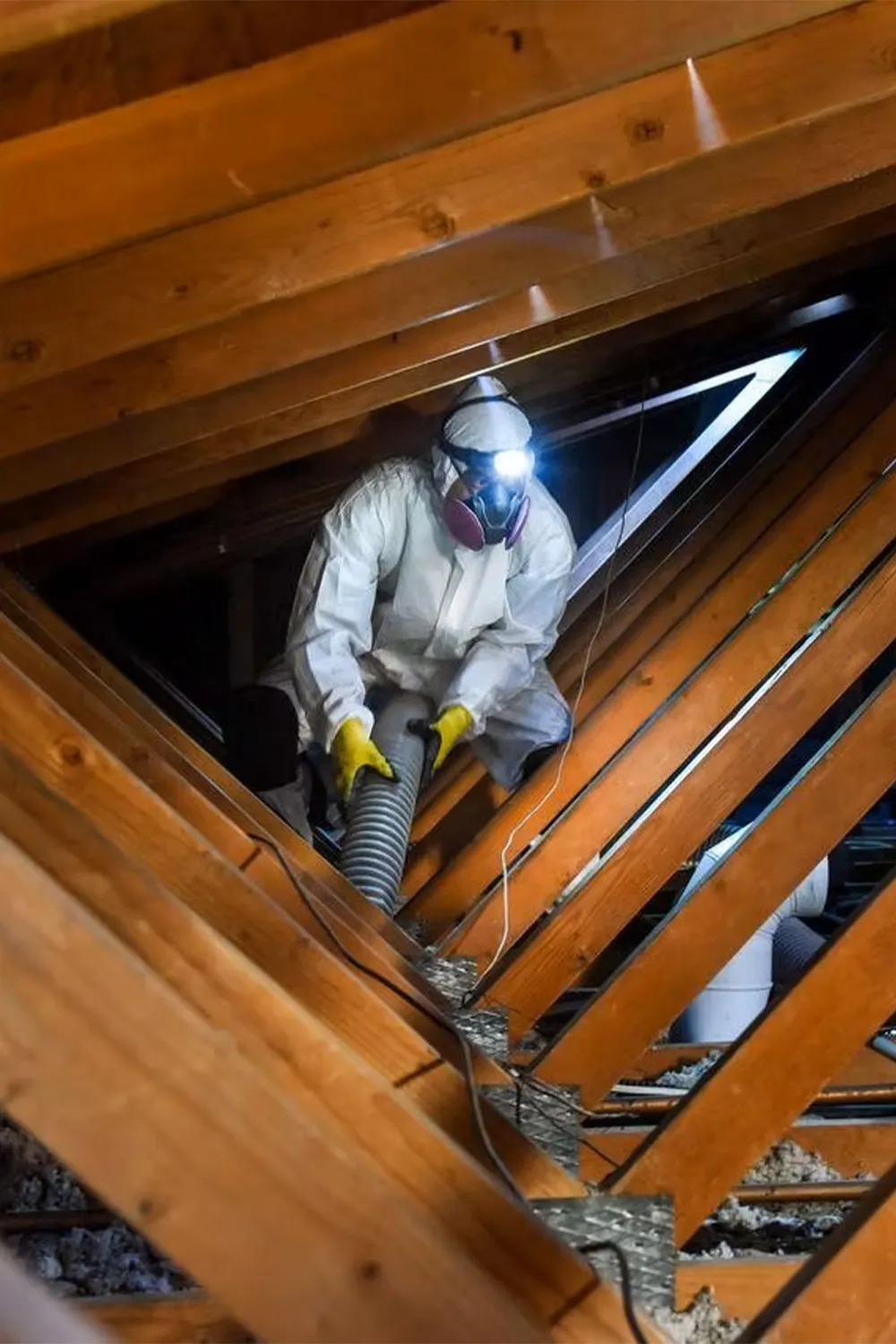
Weather can change fast, and roofs take the first hit. Rain may find its way through loose flashing or worn shingles. In cold months, warm air from the rooms below can meet cold timber and leave water behind. Homeowners seeking Lake Zurich Attic Mold Removal Services should look for a team that checks where moisture starts, not just where mould shows. Treatment may involve cleaning affected surfaces, removing damaged items and fixing the source. The right steps depend on the attic’s condition and how far the growth has spread.
Schaumburg’s Hidden Airflow Problem
A roof does not need a leak to develop damp patches. Poor airflow can trap moist air in the attic, especially when vents are blocked or bathroom fans end up in the wrong place. Over time, water may collect on wood and create a place where mould can grow. A Schaumburg Attic Mold Removal Company should be ready to explain how it checks ventilation, roof gaps and signs of condensation. Simply spraying a surface may not solve the issue. Unless the cause is dealt with, the same patch can return.
Wet Insulation Is No Small Matter
Insulation helps keep indoor heat where it belongs. When it gets wet, it may work less well and hold moisture against nearby wood. That can leave hidden damage behind a layer that looks fine from below. Do not cover damp insulation with new material before checking what caused it. A roof leak, loose pipe or poor airflow may need attention first. Some material can be dried, while badly damaged sections may need removal. A careful inspection helps homeowners avoid waste and make sensible choices about repairs.
Repairs Should Answer One Question
Once mould has been found, the next step is not always obvious. Ask what caused it, what needs cleaning and whether any material must be removed. Find out how the area will be checked after the work and what repairs are included in the quote. Clear answers help you compare options without relying on big promises. Be wary of any plan that claims to fix every attic in the same way. Each roof, home and moisture problem is different, so the work should reflect what is actually found.
Conclusion
Attic care starts with noticing small changes. Check for stains, damp wood and odd smells, especially after storms or cold spells. Keep vents clear and repair leaks before water spreads. If mould appears, find the cause instead of hiding the mark. A sound plan can protect insulation, roof boards and the rooms below. Regular checks may seem like a small task, yet they can prevent larger repairs and help keep the home in good shape.