

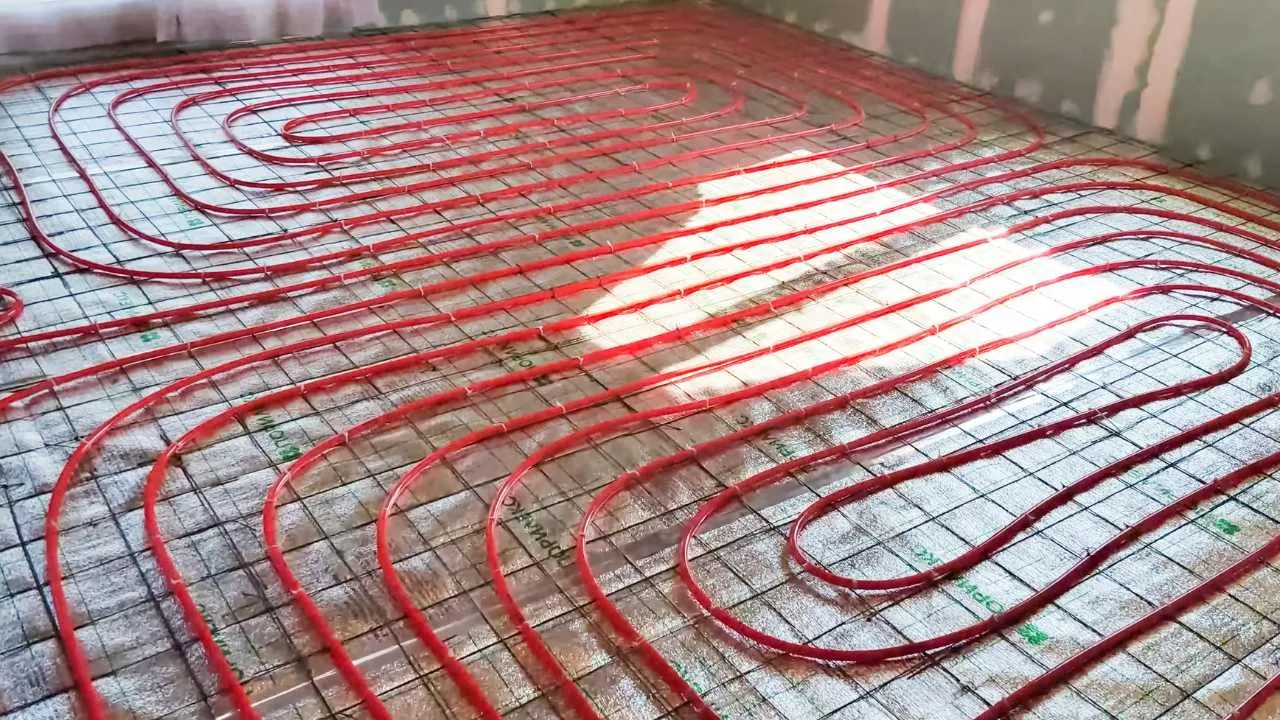
Standard forced-air heating has long been the default solution for home warmth. However, picture stepping onto a freezing bathroom tile floor in the middle of winter — in such moments, conventional methods fall short. This is where in-floor heating comes into play.
In-floor heating systems, also known as radiant floor heating, use either electric resistance wires or warm-water tubes installed beneath the floor to warm a room from the ground up. However, if you are building a new home or planning a major renovation, it is better to install an in-floor heating system. In this informative guide to in-floor heating systems, we will outline the reasons why homeowners are seeking them.
1. Unmatched, Even Comfort
In the peak of winter, keeping your home cozy and comfortable can be challenging because traditional HVAC systems quickly blow hot air up toward the ceiling, leaving the living zone. As a result, the floor stays cooler on winter days.
In floor heating systems effectively address this dynamic by warming the room from the ground up, keeping your feet warm and distributing heat evenly throughout the space. This creates a consistent temperature and prevents tile floors from freezing throughout the home.
2. Silent Operation
Traditional heating systems are loud because they make noises such as the furnace kicking on, the ductwork rattling, and the constant hum of the air blowing. On the other hand, the in-floor heating system operates in complete silence.
The in-floor heating system runs quietly and smoothly beneath your floors, maintaining a steady, comfortable temperature without any noise.
3. Better Indoor Air Quality
Standard heating vents can be a nightmare, especially if someone in your family or a friend has allergic asthma. Traditional heating systems can act like giant dust circulators, blowing allergens, pet dander, and mold spores throughout your home, potentially affecting people with sensitive immune systems.
On the other hand, most in-floor heating systems rely on thermal radiation, which keeps the air relatively still, clean, and allergen-free.
4. High Energy Efficiency
Ductwork can be notoriously inefficient, especially in larger homes. In a typical home, a significant amount of heat is lost through leaks, gaps, and poor duct insulation before it ever reaches your rooms. This also enhances your bills, and the heating concern remains constant.
However, in-floor heating systems eliminate ducts because they don’t rely on ductwork. The heat is concentrated at floor level, so you can often set your thermostat a few degrees lower than with a traditional system while still feeling just as warm.
5. Architectural and Design Freedom
Bulky baseboard heaters and wall vents limit where you can place your furniture, rugs, and decor. But with an in-floor heating system, you can use your space more efficiently because the heating is entirely invisible, hidden beneath your flooring. This frees up your wall space and allows for clean, minimalist interior designs.
Bottom Line
While in-floor heating carries a higher upfront installation cost than standard forced-air systems, the long-term benefits are undeniable. With its luxurious comfort, lower monthly energy bills, and a healthier living environment, it is an upgrade that truly transforms how a home feels.